[Last Tuesday the Indie Scriptorium team were part of the Spring into books Wordfest at our local library in Woodcroft. We hope to have a more detailed reflection on the event in the near future–once we’ve recovered…One thing that stood out for me were the number of aspiring authors who had written a book, but needed guidance on what steps to take next.
With this in mind, here’s a re-blog; a cautionary tale by Mary McDee.]
A Cautionary Tale
We have just discovered that a writer friend of ours has been taken in by a couple of publishers. She has lost a lot of money (nearly $30,000), is confused upset and angry. All she’s got out of it is one single copy of the book of which she was so proud.
“She must be pretty thick” I hear you saying.
Not so. Not at all. She’s vibrant, intelligent, educated; a businesswoman all her working life and still, in her retirement, involved in theatre. But she’s been conned by experts. It could happen to any of us which is why we feel it is important to fill you in.
Let me tell you how it happened.
Long ago writing became an interest for her but only as a sideline, an enjoyable hobby. For a long time, she operated on a “lone wolf” basis but a few years ago she joined our writing group. Occasionally she referred to a book she had written and the publisher with whom she was dealing. We never took her up on any of the details; our group concentrates on works in progress and critiquing each other’s efforts. That book of hers was done and dusted – on to the next level so beyond our current concerns.
However, a couple of days ago she made another comment and was obviously unhappy about things. We’d finished our readings and given our feedback early so this time took her up on it: who was the publisher, what was going on… And, eventually, how on earth did this happen?
Very easily as it turned out.
Publishing was a foreign field to her, so she did what most of us do these days – she went on the internet. Not long after her internet search, she began getting phone calls. There were people in the USA who were interested in her work; keen to look at it; keen to publish!!
She was thrilled, sent her stuff to them – it was a children’s story illustrated with her own delightful artwork. They rang and talked terms, explained the “situation” and were enthusiastic about possibilities. The world opened up; she was thrilled, excited.
But she was an innocent abroad, abroad in a world of which she knew nothing; nothing at all. She sent them money as requested (Pay Pal is a wonderful innovation when dealing with those who are far away!) and waited expectantly. There were phone calls relating progress. She paid more money.
Things dragged on. The months became years. She began to have concerns; to worry. But reassuring phone calls, explanations, progress reports allied her fears. She received a single copy of her book.
She was told it was in bookshops in the UK; bookshops that were part of a large chain with stores all over the country and that it was selling well. But she was getting paid only a few cents very occasionally. She wondered and began to worry again.
With friends and family in the UK, she asked them to go to a few of these bookshops and check them out. No sign of any copies of her book anywhere. Then she somehow found out that Amazon was supposed to be involved – she’d had no contact with Amazon; none at all.
At no time throughout this saga had she been offered a contract; at no time had she been asked to sign anything. All she’d ever had was phone contact. So, she asked for them to communicate with her in writing. Despite repeated requests, they never have.
She realised there was something seriously wrong; that she had been conned. She was hugely embarrassed and loath to admit to what she saw as her own stupidity. We keep telling her that action coming from lack of knowledge can never be classified as stupidity. She’s finding that hard to accept though and still feels dreadful about the whole thing.
Sadly, there are many out there operating this way; skilled in taking advantage of the uninformed; the unwary; those of us with dreams. In the world of publishing, they are labelled “Vanity Publishers”. It is doubtful if what they do is illegal – they’d be very sure it wasn’t!! But it is certainly immoral. All they will ever do is flatter you; con you; extort money from you. In short, use you then spit you out,
So, “caveat emptor” – Buyer Beware.
© Mary McDee 2023; 2024
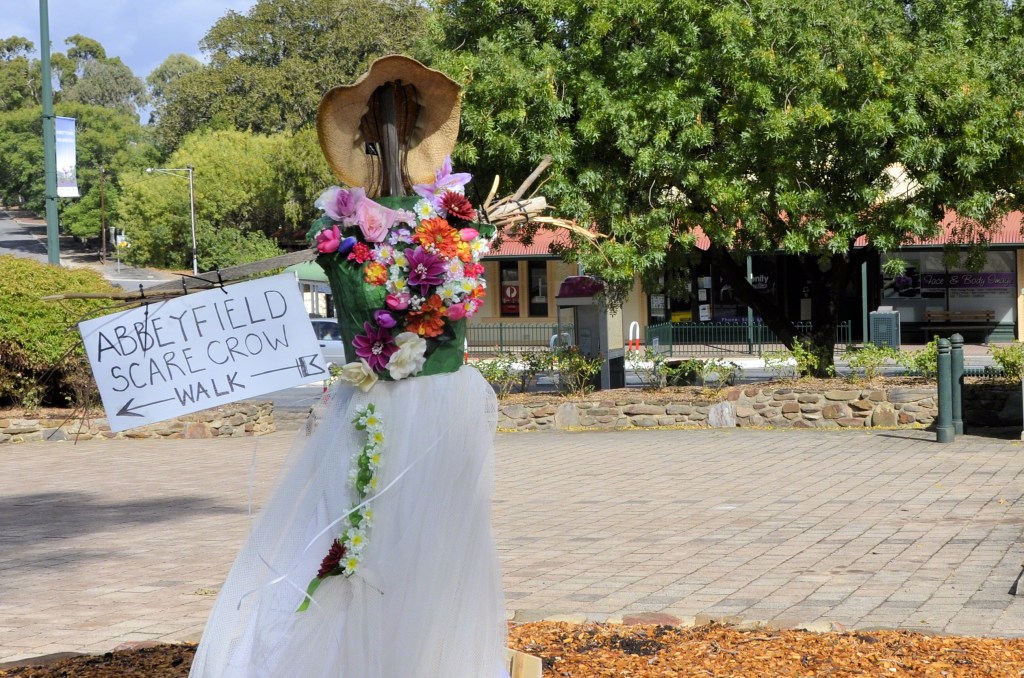
Feature Photo: Vanity Scarecrow © L.M. Kling 2017
Further note: If you or someone you know have had a similar experience, we would love you to share your story in our comment section.
***
Our anthology for 2024 is now available in print on Amazon.
Check it out!
Click on the link below:
Indie Scriptorium Self-Publishing Collective Anthology 2024




 Indie Scriptorium -- Self Publishing Collective