I made it a goal to have a website by the end of this year. Achieving the goal is proving to be much more difficult and time intensive than expected.
The website builders are very keen to reassure that they can have a wonderful, professional looking website in a jiffy. That it’s an easy five, seven or ten-step process. That the website building is effortless and should take not much longer than 15 minutes, a couple of hours or a couple of days. It is all lies!
Building a website involves a stroll through an intuitive program, which guides you step by step to achieving your goal. They advise you get a template and just drag-and-drop things (from where I ask) replace their text and pictures with your own (but cannot tell you where the delete button is so you can get rid of the damned pictures.) Text boxes move, you get pushed into templates you never wanted and it’s very easy to delete hours of work for no apparent reason and it’s just hard work.
I’m halfway through building a site with WIX. I have a preconceived idea what I want my website to look like and am battling with a system that hates you having any creative innovations that don’t fit the bill. HELP.
Asking, do I really need a website makes quitting a viable option? But I want a website so I can put a web address on my business cards and attach them to my art and give them away to fellow writers and prospective readers. I want a web address on the back of my Christmas cards. I need a website for when I publish my books, organise an art exhibition or arrange a book launch. Web sites are important.
Ok, so I will persist and let you know how to find me on the web next year. Merry Christmas.
[Today I spent a few hours researching. Although I discovered some interesting facts, my experience became fraught with frustration as some topics related to family history and a hotel in Bavaria that my ancestors owned, were hijacked by sites advertising accommodation etc. It reminded me that certain computer hacks give precedence for traffic to go their way, leaving the blogs less visited languishing unseen.
With this in mind, here’s part 2 of How to Blog (without reinventing the wheel)]
Part 2 — Connecting with Others
Right, Networking — Think of your own life and how you live it. If you sit in your room and never go out and about, never go to parties or gatherings, never join clubs or interest groups, how is anyone going to know that you exist? I was out the other day with my mum and cousin. My cousin and I are both extroverts and have wide-ranging networks. At the restaurant, I bumped into a friend from art group. And at the bookshop across the road, my cousin met a friend. ‘I’m amazed,’ my mum said to my cousin and me, ‘everywhere we go, you meet people you know.’ It’s the same with blogging. It’s a worldwide community. But how is anyone going to know that your blog exists, if you don’t promote it? The simplest way to develop an online presence is to visit other bloggers’ websites and blog posts, like and comment. I have found that as I do this, Word Press (my platform of choice), sends the blogger a message to invite them to check out my blog post/website.
Right, Content — As with any publication, be respectful and avoid anything that might be offensive. A turn-off for me is rude words. Too many words of the four-letter and “F” variety, and some people won’t read or follow that blog. The Oxford English dictionary has officially 171,476 words, so surely, a writer of substance can find more effective alternatives to vent their frustration. Just my opinion. Another turn-off is the eternally looo-ng post. 500 – 1000 words has worked for me, both ways.
Right, Views — Photos, ones that grab attention and draw the reader in have worked in my experience, especially for my travel blogs. Readers love that virtual travel adventure. However, keep the photo files down around 1 MB, if posting a number of them. Otherwise, the post can take forever to load. Which can put off some readers.
Right, Guest Posts — What about inviting other bloggers to be a guest author on your website? I haven’t done this personally on mine, except for a few re-blogs of posts from other bloggers. But I have been a guest author on other bloggers’ websites and it has worked for me to increase my readership. It works both ways, though. A guest author gives fresh content and attracts more readers to the website. One website that works well for this is a website belonging to Mohamed Al Karbi.
Right Links — Facebook and Twitter have done this well in the past. There’s buttons and tick boxes in settings to set this all up so it happens automatically. Instagram, meh, hasn’t worked for me as it won’t link to my WordPress posts. The main advice here is to stick to one platform and allow the links to feed into it. It all depends on your audience and how they manage their social networks. These days I regularly get views from readers through Facebook, but most of my readers still come from WordPress.
Finally, this whole WWW thing is constantly moving and changing. Rather than give up and crawl into the foetal position under your doona, get out there, connect with others online, face to face, persevere and do your best.
Right Worldview — I like to think of the blogging community as a group, a world-wide group. Think of the local writers’ group you attend if you’re a writer. Then imagine that group spanning the globe comprising of every imaginable country and culture. That’s the breadth and beauty of blogging. But remember, each one of your potential followers are people, real people.
Right Mindset — Gathering those real people, followers takes time. Marketing likes to depersonalise the whole experience and calls those visits from readers “traffic”. They are not traffic, they are individuals who have searched for your particular topic of interest and taken the time to read it. When I first began blogging 7 years ago, one of my first international visitors was from the Bahamas. I imagined that person sitting on the beach sipping their mint julep, reading from their jewel-studded iPad, and dreaming of the Central Australian adventure I had written. Just one person but imagining that person made all the difference to me, that they had connected with my story.
Right Attitude — My first like (besides my faithful friends and mother) was a well-known Romanian blogger. He has written many posts on how to blog, so I feel, I don’t need to repeat his good advice in this article. The following is a link to Christian Mihai’s website, The Art of Blogging. My main takeaway from one article I read from there, was that if we don’t have the right attitude to blogging, if we are amateurish in our approach, we may spread our web of information wide, but we won’t touch many in a way that is meaningful or truly influential. And the reality about developing authentic relationships that change and grow us and others, is that they take time.
Right Timing — I think there’s enough on the internet about how to set up a blog and post, so, I won’t go into detail about that. Check out Wiki how for setting up a blog, or website. But what you need to do is be regular. Followers, once you get them, are creatures of habit and if you post once a week on a Tuesday, for instance, they will look for your post, once a week on a Tuesday. One of the frustrating things I found when I first entered the blogging community, was finding those bloggers who I liked. Some would seem to vanish into the vortex of the world wide web, never to be seen again. It took me a while to figure out that if I “followed” these bloggers, they would turn up in my “Reader Feed”. Other bloggers have mentioned that this is the reason they “like” posts. They then look at their “likes” to find their favourite bloggers again. Regular posting, I found, helped raise my profile in the plethora of websites and posts and make those blessed algorithms work for me. I knew that my blogs were rising like cream when I observed a reader emerging out of “Search Engine” in the stats of my post. When starting up my blog, though, I invited as many friends and family to follow my blog through email, and Facebook.
Right, Don’t Give Up — It’s three months into you’re blogging venture, and nothing; not a hump, nor a bump raising those statistics. ‘I don’t know,’ my mother said, ‘no one has visited my posts in ages. I think I’ll give up.’ And yeah, it seemed as though the WWW “gods” were doing everything in their power to squash my mother’s enthusiasm to continue. As they tried to do some years before with my blog. As they have done with a number of writer friends of mine who have set up blogsites or websites and then with a failure to thrive, they have silently let them slide into obscurity. Again, it takes time for your website or blogsite to gain traction. Just be patient.
So, you’ve finished, or nearly finished, your novel. It’s written, rewritten, edited probably at least five times, given to beta readers for feedback, critiqued by writing friends or in writing groups and taken up a large part of your life.
Whether it took you years or months, a novel is a major investment in time, energy, sweat and tears and when the manuscript is finished, you don’t want it to languish in a bottom drawer. It needs to be read.
Marketing is the hardest part of self-publishing. It’s estimated that there are over three million books on Amazon. They publish 50,000 books a month and they are the largest company for self-publishing authors in the world. They release a new book every five minutes. It’s a lot of competition. Your book has to be seen, talked about and hopefully bought in order for it to get ahead of the thousands of other books being published. Marketing is the way to get your book noticed.
Before coming up with your marketing plan, it may be helpful to consider what you want for your finished book.
Do you want to make writing your career? Intend to write many books and earn enough money from sales to give up your day job. This means a commitment of long hours for the rest of your life. Writing will become a business and a passion, and you will need to build up your name to ensure you have lots of buyers for your products.
You may enjoy writing fiction as a passion, an activity that gives you pleasure, and you want your books read by an audience. This is the category where I am. I want my books to be the best they can be, to achieve a professional standard, but I’m not dependent on an income. I don’t want to put pressure on myself to write what sells and have to achieve deadlines.
The third type of writer may want to write their memoir or family history, or contribute a non-fiction book. These authors may have a smaller audience, although some biographies and memoirs sell well on the open market.
Another author may write for purely personal reasons, using the medium of writing to express their creativity. Often these writers contribute to anthologies in writing groups or may have a body of work that they want a book to share with family and friends.
All of these authors can self-publish a brilliant book, but their goal for book distribution may differ from a professional writer.
Back to the question: Do you need a website? If you want your book read and consider writing more books in the future, a website is a good idea and is worth the effort to get one up and running.
A website in simple terms is your address on-line. It’s where people can find you by searching online for your name and what you do. For example: www. elsieking/author.com (not in operation yet). You can sell your books from the website, advertise books you are writing, you can tell your readers about your life, passions and ideas. A website may also be a blog or newsletter where you share your writing tips. The website lets you connect with your readers and get reviews.
A website can be a simple page with minimal details (a landing or home page) or a more complex beast with links to social media, e-mail marketing, newsletters and contacts with other authors.
I’m a newbie with websites. I know they can be expensive to have made for you, but much cheaper to make one of your own using a website host such as WordPress, Square Space, or Wix. Don’t believe the adverts about creating your own websites. It is not as easy as they say. But it is fun to experiment with some website builders.
My advice, consider if you need a website. Research some of your favourite author websites and look at the plethora of YouTube videos that tell you how to create a website. (I found most of them too quick and get through too much information. They also use acronyms which they don’t explain. Find one that works for you)
If you decide to try it, be prepared with a catchy by-line, have a succinct but interesting author bio ready and think about what graphics, fonts and colours you want.
I’m a techno dinosaur, so I expect it will take me many weeks to construct my website. I’m learning as I go and have discovered you can create a website, delete it and start again and play without having to commit to publishing until you have it just right. When I get it right, I will do another blog to discuss the process, I found helpful.
If anyone reading this blog has some personal experience with building a website, please write an e-mail to scriptoriumpublishing@gmail.com We’d love to hear from you.
A relative mentioned how in choosing a book to read, they kept on overlooking and dismissing one with a rather plain cover. Finally, they ran out of options and decided to give this book a chance. To their amazement, they thoroughly enjoyed the story—a real gem. They recommended we read the book.
Although we are taught from young to “not judge a book by its cover”, in the reality of today’s world of competition, advertising and marketing, the cover of our books is vital. Plain cover—overlooked. An eye-catching cover—a potential sale.
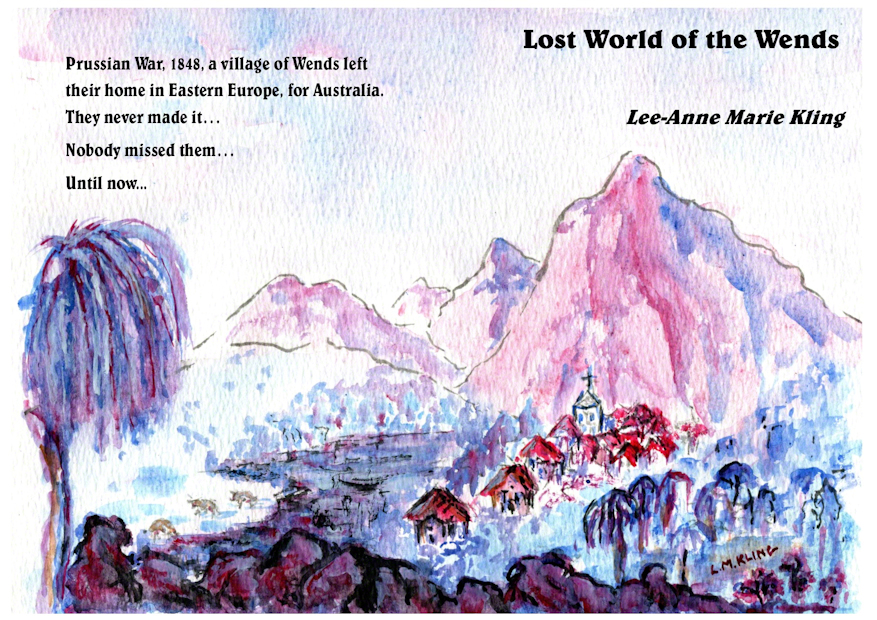
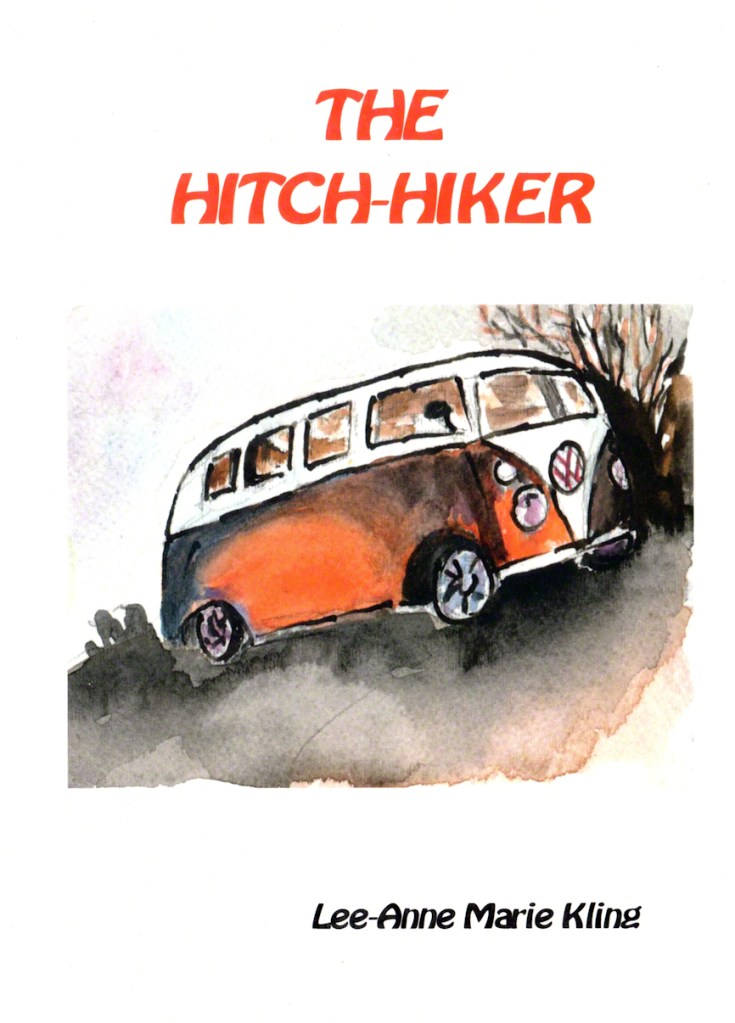
And so, we come to my first novel, Mission of the Unwilling. My team members at Indie Scriptorium advised that although its cover was, well, pleasant, it wasn’t up there, and well, dare I say it again, eye-catching like the covers of my successive books. They said that the covers of my war on Boris Series, The Hitch-hikerand The Lost World of the Wends, being my artwork, had more zing.
I did some research about marketing. Discovered that a book series needs to have features that set it apart and are easily recognisable to the readers who are following the story. Suggestions were: artwork that reflects the genre and story, style, typeface, colours, same size books, and of course, the blurb at the back that hooks the reader.
Back to the proverbial “drawing board” or my collection of artworks for a suitable cover for my first novel. After all, I was planning on revising it and releasing a second edition. Around the same time, a fellow artist, Liz Maxted, had painted a UFO scene. Impressed, I asked if I could use it for a cover of one of my future novels. She was thrilled and allowed me to borrow the painting to photograph.
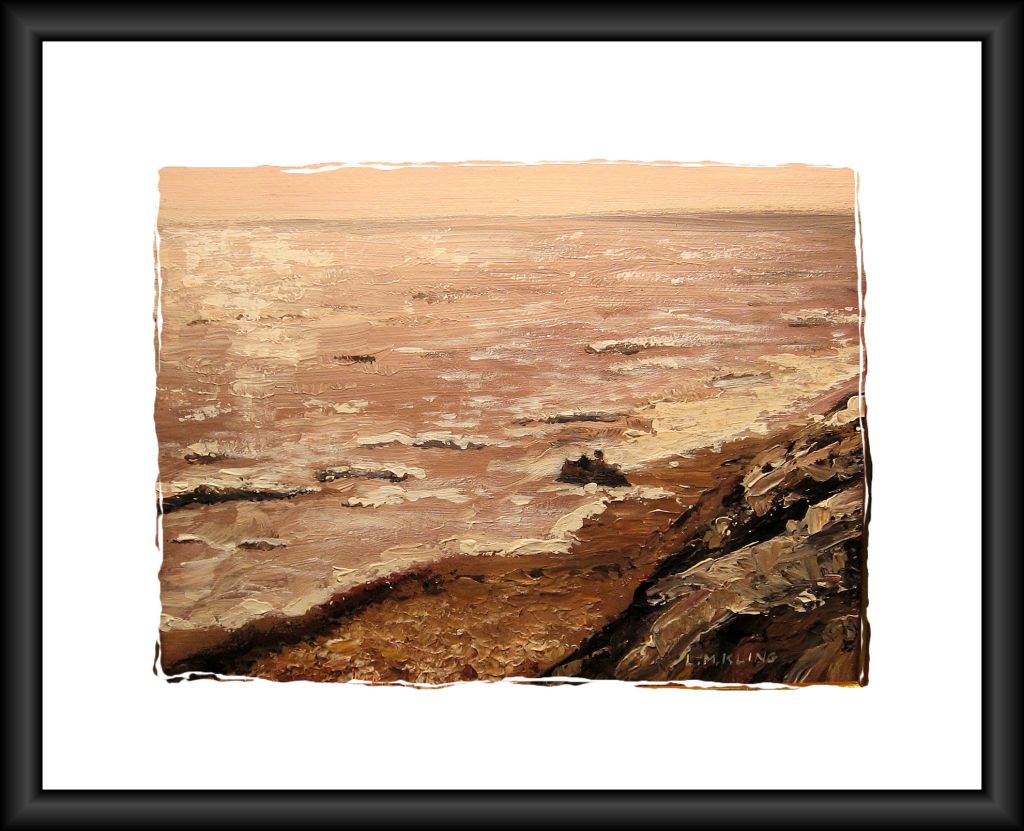
As it has turned out, when working on the new cover for Mission of the Unwilling, Liz’s UFO fits perfectly, hovering over the Sellicks Beach cliffs of my watercolour.
I also changed the blurb to fit with contemporary issues, that being in Mission of the Unwilling’s case, the scourge of bullying and the victim rising above their identity of unworthiness to becoming a hero.
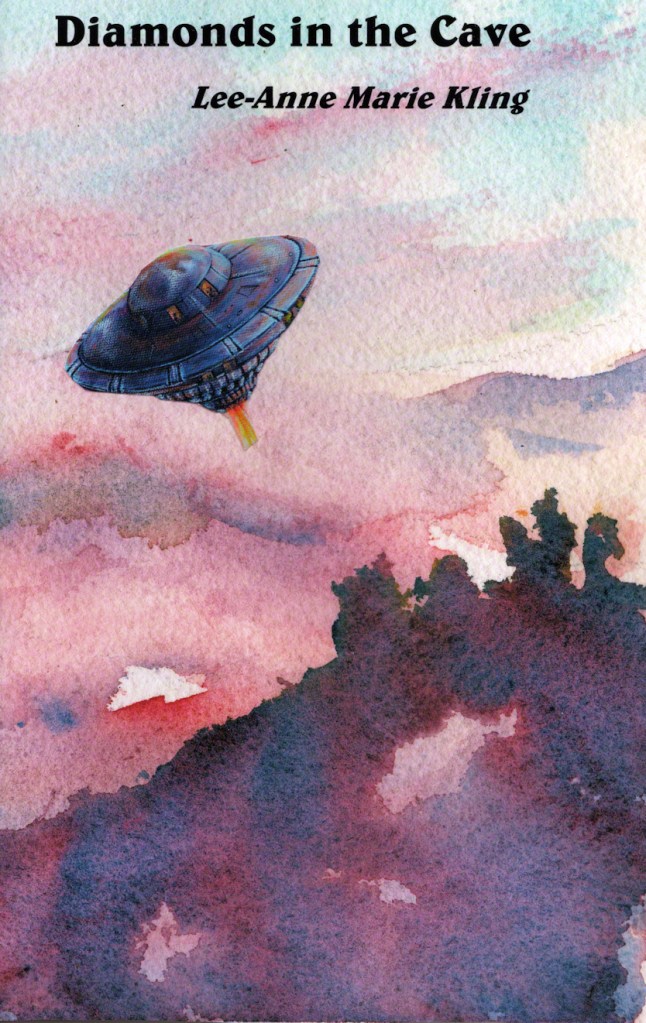
Then, on a roll, I created a cover for the sequel to Mission of the Unwilling, Diamonds in the Cave. And again, Liz Maxted’s UFO fits seamlessly in the mist and clouds of the Mount Martin range of the Pilgrim Planet. In Diamonds in the Cave, my heroine, Minna as a teenage mother, grapples with loss, her mental health, and the issue of witch-hunts plaguing the town.
I’m hoping Diamonds in the Cave will be ready for release soon. Just have to read through it once again, before handing it over to my Indie Scriptorium team to test read and edit. As I said at the beginning, in these competitive times, books are judged by their covers, but the inside needs to match up with good standards too.
Following on from “Raised commas aka Dratted apostrophes” back in September, we thought you might enjoy the following text of a children’s story featuring these pesky punctuation marks (taken to a somewhat bizarre level, we must admit). Bizarre as they are, in this piece we can assure you that this is grammatically correct.
Jan and her Gran
Jan has a Gran,
Gran belongs to Jan
And Jan has fun with her Gran.
Jan’s Gran has a van.
The van belongs to Gran,
Gran belongs to Jan
And Jan has fun with her Gran.
Jan’s Gran’s van had wings,
the wings belonged to the van,
the van belongs to Gran,
Gran belongs to Jan
and Jan has fun with her Gran.
Jan’s Gran’s van’s wings had nuts.
The nuts belonged to the wings,
the wings belonged to the van,
the van belongs to Gran,
Gran belongs to Jan
and Jan has fun with her Gran.
Jan’s Gran’s van’s wings nuts held the wings onto Jan’s Gran’s van
so Jan and her Gran could hop in the van and go off on trips.
Writers have it easy these days. Needed facts and figures involve just a few strokes of the keyboard and you have everything you need instantaneously. The wonders of the World Wide Web, Google and Wikipedia. Prior to personal computers, research involved trips to libraries, ploughing through shelves to locate books and journals, photocopying and the dreaded searches through microfiche files. (Microfiche—first invented in 1839 by John Benjamin Dancer.) Research was a tedious process and although I sometimes hate my computer, access to facts, figures, photos and original documents makes writing a breeze.
I enjoy research, and as a writer of historical novels, I spend as much time on research as I do on actual writing. My preferred search engine remains open as I write a scene of my novel. Flipping between research and prose is second nature, as I am always coming up with questions. How long would a journey between Mayfair, London and Ash in Surry take in a carriage and four horses? (Can be done in a day if the weather is good but more comfortable over two days with an overnight stop at Cobham.)
When plotting, I also do considerable research. With my latest novel, I am writing about the Abolition of Slavery in Britain from 1829 to 1833. I have read and noted three PhD. Dissertations and purchased four academic books. I read and study these before commencing plotting the novel. Historical timelines are important to the motivations and actions of my characters. In addition to historical research, it is essential to know the world your characters inhabit. My library contains books that cover politics, housing, etiquette, clothing and transport. I also read novels and essays from original sources.
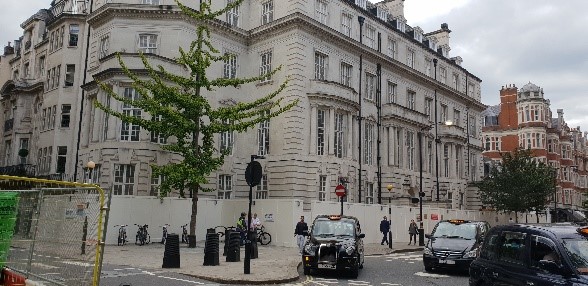
If possible, visit the locations in which you place your novel. I had a wonderful day exploring Mayfair in London and then another two days at the Victoria and Albert Museum. If you can’t get to a place, explore online and where conceivable use original maps and photos of historic buildings and gardens.
How much research is needed? The iceberg principal is a rough guideline. Research thoroughly and use only that which is essential to your plot. This for me is about a fifth of what I study. Getting the balance right can be tricky, but my novels are about the characters as they navigate through their world, not a history lesson.
However, make sure your research is accurate. Believe that all your readers are experts in the field you are writing and will stop reading, throw your book away and write a negative review if you get anything wrong. Accurate research is important.
For many, many years I was convinced that I “couldn’t write” even though I loved reading, even though I had ideas zooming around in my head, even though I loved words and playing around with them, even though I made up endless stories…
I did write poems, but they were different from stories. My poems were little, short snippets of language where the words were crafted in my head, fiddled around with to get the best ones in the best place, where everything sounded just right before I had to record them on paper. That was fun. There was a sense of achievement.
Stories and essays were a very different kettle of fish. They were hard work. Producing them was a matter of painstaking drudgery that began in Primary school. Back then, at the start of every school year children were issued with a heap of pristine exercise books that had to be taken home, covered and had our own name and the particular subject name written neatly on the front.
The expectation was that the work in each one was to be our very best. No scribbling; no scratching out; no careless, untidy work; no crumpled or torn pages. In other words, by the end of the year that exercise book should be as pristine as it had been on day one but full of work in our very best handwriting. Unattainable perfection for most of us!!
As far as writing was concerned the two that were my nemesis; my tragic downfalls were labelled Handwriting and Composition. The former was bad enough, but it was the latter that led to my conviction: “I can’t write”. Apart from the “Product Perfect” headset the other thing about compositions was that they had to be written straight into the composition book with correct spelling, perfect punctuation, excellent handwriting… no rough copy, no first draft, no preliminary notes. Straight from the brain cells to the page; no muckin’ about.
If I wanted to use a nice long expressive word like ginormous but didn’t know how to spell it correctly, I had to make do with a little short one I could spell (big) because errors were out, frowned upon, seen as evidence of lack of learning, failure… Where was the interest or excitement in that? I was effectively crippled.
Fortunately, education in this area seems to have moved on. Composition books as I knew them have gone the way of the dodo. Teachers and students now talk about first drafts and final copies. Thanks be.
If you can relate to that last paragraph then count your blessings and keep pouring your ideas, thoughts, stories out onto paper or into your computer. If it is the rest (or even part of the rest) and you want to write but think you can’t then ditch the doubts, grab a writing implement – pen, paper, computer – jump in and make a splash. Mistakes and stuffing up are potholes, not impassable roadblocks.
We learn by doing! And lots of practice!! So go to it and good luck.
[Again, I have been revisiting my first Sci-Fi thriller novel, Mission of the Unwilling, preparing it for a revamp and release of a second edition. So, I have been working on my writing and have been reflecting on what I have learnt makes for a good story.]
Unbelievable to Believable
Unbelievable, that’s what they said about my novel. Unbelievable. Is that why my first novel, Mission of the Unwilling has failed to thrive? Why there’s no feedback? Or is it a case of someone who’s not a Young Adult, and just not into Sci-Fi? Although, some readers who have kindly given feedback on this novel were rather traumatised by some of the horror scenes and wondered what indeed went on in my head.
Whatever, I consider this feedback valid and believable. Over the next few months, I plan to revisit Minna’s world and her adventures at the mercy of Boris and learn from my venture into self-publishing. Nothing is wasted. The take-away from the most recent honest feedback—make my stories believable.
What does this mean for me as I refine the craft of storytelling?
My characters are real to the reader.
The setting is authentic, so that the reader can step into my constructed “world” suspending all disbelief.
The audience buy into the journey they take into that world.
But what does “suspending disbelief” mean. I mean, really? I mean, when I revisit my stories, to me, the characters are alive, the setting an on-site movie set, and I gladly invest in the tale told. Not so for some of my readers, apparently. In truth, I’m too close to my work to view it objectively. I need and appreciate feedback from others. I’d go as far as to say that most writers benefit from a second, third, fourth or umpteenth pair of eyes to make their work the best it possibly can be.
So, from the perspective as a reader, that extra pair of eyes on other works, here’s what I’ve learnt that suspends disbelief and do some unpacking of techniques that make characters, setting and journey more believable.
Believable characters: Someone with whom you connect. You know that person. You’ve met them. You’ve had lunch them. You’ve admired them. They’ve annoyed you with their quirky habits. They’re those people you see across a crowded coffee shop and already you’ve constructed a whole story around them, by observing their posture, expressions and gestures. You invest time following what they’ll do, what will happen to them. Believable characters don’t have to be human, but they do need human qualities and personality for readers to relate to them.
Believable setting: Best woven into the forward-moving action of the story. The writer describes the setting with the five senses, what you: 1) see, 2) hear, 3) touch, 4) smell, and 5) taste. And for the world to be memorable, the author picks up something unique or odd about the place. For example, I may write of Palm Valley in Central Australia, ‘Ghost gums jut out of the tangerine rock-face, and a soft wind rustles through the prehistoric palms.’
Believable Story: You need to convince your readers that such a sequence of events can happen. A skilful writer uses the technique of cause and effect. The character makes a choice, and their actions result in consequences often leading to dilemma that must be resolved. Readers are more likely to engage with proactive characters who influence their environment and others, and who make active choices to change and grow, rather than the passive characters who have every disaster happen to them, and their problems magically solved.
Yes, pile on the misery, pile on the challenges, don’t be afraid to get your characters into strife; that’s what the reader’s looking for. But remember, the chain of events must be believable. An article by Laurence Block, Keeping Your Fiction Shipshape*, describes the relationship between storyteller and audience is like enticing readers onto a cruise ship, keeping them there, and delivering them back to port with a good satisfying end.
It’s the skill of the storyteller to convince the audience. If the characters are believable, the setting is believable, and the action believable, your readers will enjoy the ride and complete the journey you, as the storyteller, takes them on.
As an aside, another crucial piece of feedback given about the book from several readers were that this first novel was too fast paced. In response, I have been doing some research how to manage pacing in my storytelling. This will be a topic for a future post.
[Why Notre dame? Victor Hugo, the author of Hunchback of Notre-Dame, spent the first three-quarters of the book describing the setting. Useful if you visit Paris but does nothing for moving the story forward.
Also, tourists willing to invest in the journey to climb Notre-Dame by waiting several hours in the long line that stretched the length of the Cathedral. What will they see? The gargoyles (characters), a view of Paris (setting) and a climb and walk through the Cathedral (the journey).]
I’m writing my third novel and still learning. Making my writing more dynamic and engaging is one skill I’m trying to develop. I’ve known while some scenes are full of emotion and action, other parts of my draft tend to wither into bland backstory or boring prose. I need to make my writing Zing.
The rule of “show not tell” is one of the writing rules churned out to fix boring writing. But what do we mean by showing, not telling?
I interpret showing as progressing the storyline by having my character storm around the scene with white lips, beating heart, clenched fists, and flashing eyes. They might be overcome by the smell of roses and hear the plaintive warble of a magpie. Yes, it’s all about the senses. Oh, don’t forget taste, she says with a mouthful of ashes.
Telling is informing your reader that your character is angry, smelt roses, heard a magpie, and has halitosis. Not really Zingy.
I entered a competition with my second novel and received lovely feedback from most of the judges. One judge, however, was less complimentary and hated much of what I had written. Gosh, that hurt. Despite all the warm fuzzy praise, I took the negative critique to heart, then dismissed it. After all, the other judges liked what I had written, and I got into the finals. But after I got over the elation, I took out the negative critique and with trembling hands read the judgement again.
They were right. There was critique I discarded; I honestly felt they were looking for a traditional romantic story and my novel didn’t fit the bill. But their critique of my prose was insightful and confronting and right. I will illustrate this using the actual paragraph the judge picked out to illustrate his/her point.
My line— “Eleanor had more energy and a new zest for life.”
Judges’ line— “Energy sizzled inside her, driving her to paint. Oh, how wonderful it was to pick up a brush and apply paint to a canvas again. Now that she’s accepted the facts, her life had become much better and full of zest.”
The judge’s line is full of Zing. It goes inside Eleanor, makes her feel the energy, expresses her joy, and put her emotion into the action of painting. She actively accepts that she cannot have a child, and acceptance improves her mood and energy.
I believe changing my writing style to make it Zing will require practice. I am writing a first draft of my third novel and have decided that just getting the story down is my priority. But enlivening my prose will take second priority. I will add another layer of editing with the express purpose of Zinging my prose.
Another technique for adding Zing is to use dialogue. Have characters, explain things, pontificate, console, complain, fight, disclose, advise, snub, berate order, and entice. Conversations are fun and show your character’s motivations, desires, beliefs, and points of view. They can also show how a character learns something, amends their belief, and grows as a character. Using secondary characters, friendly or not, will help your character interact and make your writing Zing. Have a look at Agatha Christie, for a masterful example of storytelling using dialogue
Sandy Vaile in her article Clarify, ‘showing for good’ provides excellent advice about aspects of active story telling. I found her ideas about placing characters in challenging situations edifying. If I’m writing a dramatic scene with action my writing Zings, my prose is stronger, and the words flow. But not all my scenes have an elevated level of conflict. In the future, I will plot more scenes with conflict. The conflict could be an internal battle with a problem or emotions or an external conflict with another person or situation but making life difficult for heroes and heroines is my new goal.
Another way to make your writing Zing is to make sure each sentence is active. I’m the queen of the passive voice but I came across a great explanation for active and passive sentences in Sandy Vaile’s’ article. Sandy states you should put the action first and the subject second and gives wonderful examples.
Passive–Tina’s homework was marked in red pen by Mrs. Gleeson. (The subject before the verb/action)
Active–Mrs. Gleeson marked Tina’s homework with a red pen. (The verb/action before the subject)
Passive–The burglar was tackled by the detective.
Active–The detective tackled the burglar.
I’m still learning about active prose. As I’m writing my first draft, some days the words flow and some days they don’t and that is often because of the setting of the scene. Planning more active and challenging situations in my plotting, adding secondary characters who engage my protagonist in active dialogue and making my characters use their senses are all techniques to master. Getting the passive/active voice is also a challenge.
Happy writing.
***
Acknowledgements
Sandy Vaile. Clarify ‘showing for good’ Romance Writers of Australia Hearts Talk August 2022.
Sandy Vaile is a motorbike-riding daredevil who writes romantic-suspense for Simon & Schuster US and supports fiction authors to produce novels they are proud to share with the world (and which get noticed by agents and publishers), through coaching, craft workshops and developmental editing.






 Indie Scriptorium -- Self Publishing Collective